
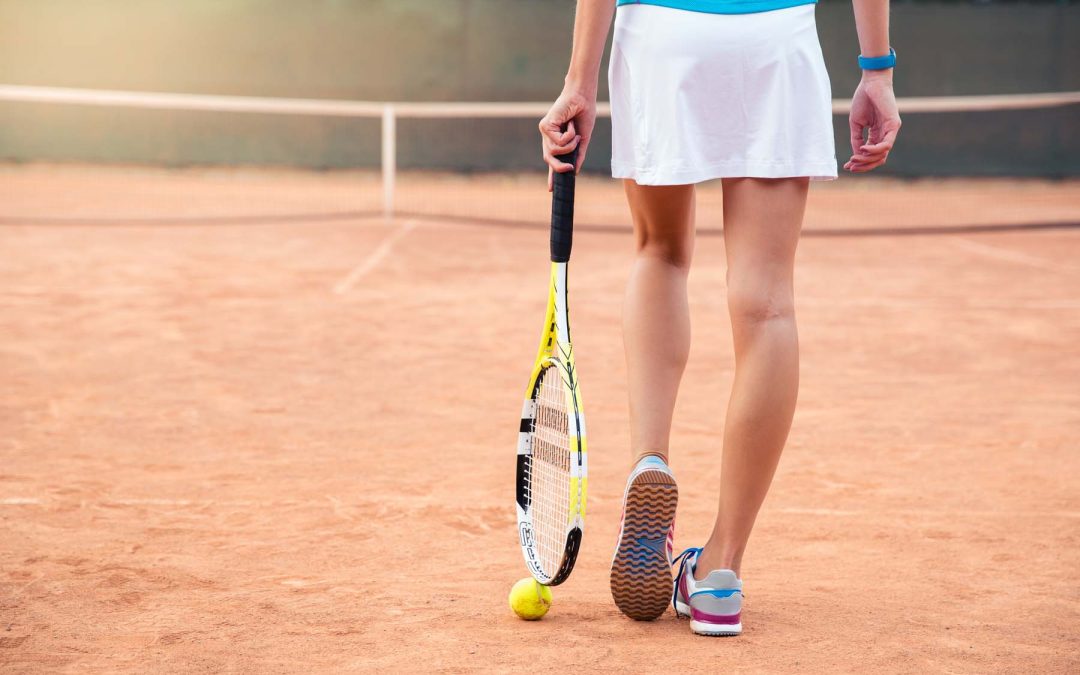
Clay courts are beautiful, demanding, and deeply rewarding—but they play very differently from hard or grass courts. If you’re stepping onto clay for the first time (or returning after years on hard courts), understanding how the surface behaves will instantly make your game safer, smarter, and more enjoyable.
Here’s what every player should know before playing on clay.
1. Clay Courts Are Slower—And That Changes Everything
Clay significantly slows the ball after it bounces. This means:
- Longer rallies
- More time to react
- Less emphasis on raw power
- Greater importance of placement and patience
Points are built, not rushed. On clay, shot selection matters more than shot speed.
2. The Bounce Is Higher and More Predictable
Compared to hard courts, clay produces a higher bounce, especially with topspin.
What this means for you:
- Topspin shots are more effective
- Flat shots sit up and lose penetration
- You’ll often hit balls at shoulder height
Adjust your grip, spacing, and contact point to stay comfortable during high-bouncing rallies.
3. Sliding Is Normal—and Necessary
One of the biggest adjustments on clay is learning to slide.
- Sliding helps you reach wide balls efficiently
- It reduces abrupt stopping that stresses knees and ankles
- It allows smoother recovery back to position
Key tip: Don’t fight the slide. Controlled movement is safer than sudden stops.
4. Footwork and Balance Matter More Than Speed
Clay rewards players with:
- Good balance
- Small adjustment steps
- Proper recovery positioning
Quick first steps still matter—but controlled footwork matters more. Staying low and centered helps you handle unpredictable movement.
5. Shot Construction Wins More Points Than Winners
On clay, outright winners are harder to hit.
Successful clay-court players:
- Build points patiently
- Use angles and depth
- Open the court before attacking
- Finish points selectively
Think chess, not checkers.
6. Expect Longer Matches—Manage Your Energy
Clay matches often last longer due to extended rallies.
To stay effective:
- Pace yourself
- Use high-percentage shots
- Take advantage of changeovers
- Stay hydrated
Winning on clay is often about outlasting, not overpowering.
7. Line Calls Work Differently on Clay
One unique feature of clay is the visible ball mark.
- The mark shows where the ball landed
- A ball touching the line is considered in
- You may inspect marks in non-officiated matches
Respect the mark—it’s one of clay tennis’ most iconic (and fair) features.
8. Clay Requires the Right Shoes and Attitude
Proper clay-court shoes:
- Have herringbone patterns for traction
- Allow controlled sliding
- Prevent excessive slipping
Equally important is the right mindset. Clay rewards patience, resilience, and adaptability.
9. Maintenance Affects Playability
Clay courts change throughout the day.
- Dry courts play faster and dustier
- Watered courts slow the ball and improve sliding
- Uneven areas affect bounce
Stay alert and adjust your footwork and shot tolerance as conditions evolve.
10. Clay Teaches Better Tennis
Many players say clay makes them better overall.
It improves:
- Rally tolerance
- Shot selection
- Mental toughness
- Court awareness
Time spent on clay often translates to smarter play on any surface.
Final Thought: Respect the Clay, and It Will Reward You
Clay courts don’t favor impatience or brute force. They reward players who think, adapt, and persist.
If you’re willing to move well, build points, and embrace longer rallies, clay court tennis becomes not just challenging—but deeply satisfying.
Slow down. Slide. Construct the point.
That’s clay court tennis. 🎾

Author: XTENN
A tennis player and a coder.