
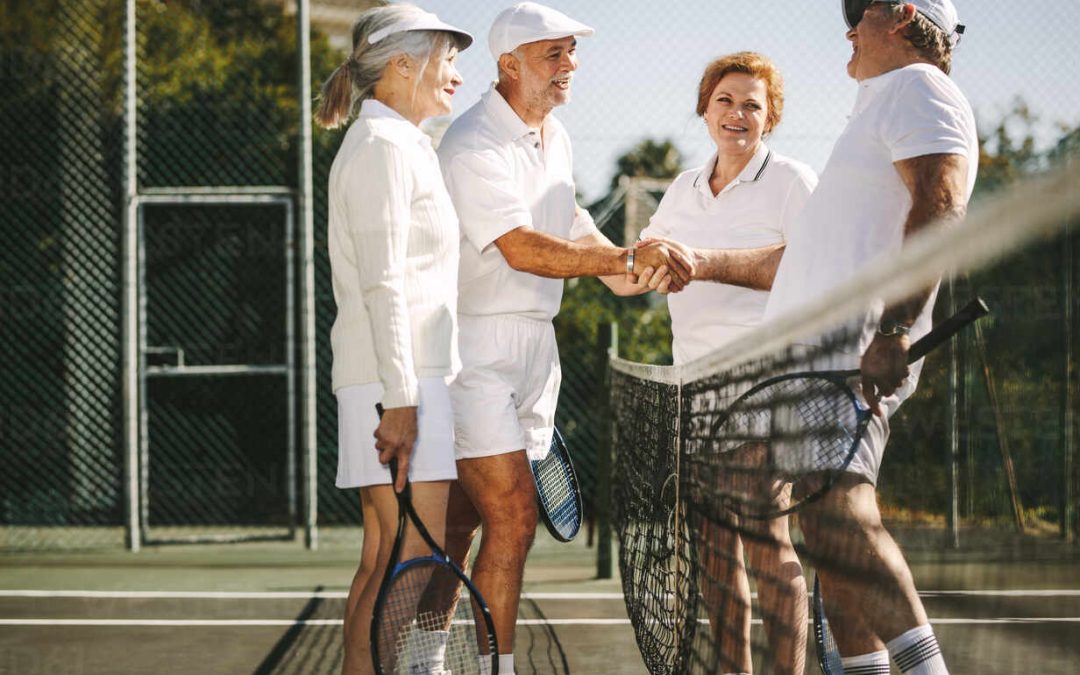
As we grow older, staying active becomes less about chasing peak performance and more about preserving health, independence, and joy. Among the many physical activities available today, tennis stands out as one of the most practical, enjoyable, and sustainable sports for seniors—and for good reason.
Tennis isn’t just a young person’s game. In fact, it may be most powerful later in life.
1. Tennis Is Naturally Adaptable to Aging Bodies
One of tennis’ greatest strengths is its flexibility. Seniors can easily tailor the game to match their physical capacity:
- Singles or doubles (doubles significantly reduces court coverage)
- Short sets or timed matches
- Softer balls, slower pace, or smaller courts
- Recreational rallies instead of competitive scoring
This adaptability allows seniors to stay active without overloading joints or risking injury, making tennis sustainable well into one’s 60s, 70s, and even 80s.
2. It Improves Balance, Coordination, and Fall Prevention
Falls are a major health concern among older adults. Tennis directly counters this risk by training:
- Dynamic balance (constant movement and directional changes)
- Hand–eye coordination
- Reaction time and agility
These benefits translate beyond the court—helping seniors move more confidently in daily life.
3. It’s a Low-Impact, High-Benefit Cardio Exercise
Unlike high-impact sports, tennis offers cardiovascular benefits without repetitive pounding:
- Short bursts of movement improve heart health
- Natural rest intervals reduce strain
- Walking, lateral movement, and light sprinting enhance endurance
Studies consistently show that regular tennis play improves cardiovascular fitness and longevity, often more effectively than steady-state exercises.
4. Tennis Keeps the Mind Sharp
Tennis is as much mental as it is physical. Seniors benefit cognitively through:
- Strategy and shot selection
- Anticipation and pattern recognition
- Focus, memory, and decision-making under pressure
This mental engagement helps delay cognitive decline and promotes long-term brain health, something few exercises accomplish as effectively.
5. It Encourages Social Connection and Emotional Well-Being
Loneliness is a silent health risk for seniors. Tennis naturally builds community:
- Friendly matches and doubles partnerships
- Club play, leagues, and social tournaments
- Post-game conversations and shared routines
These social interactions boost mood, reduce stress, and create a sense of belonging and purpose—critical components of healthy aging.
6. Tennis Promotes Lifelong Identity and Purpose
Unlike many sports that feel “retired from” with age, tennis often becomes a lifelong companion. Seniors don’t just play tennis—they are tennis players.
This identity fosters:
- Motivation to stay active
- Consistent physical routines
- Confidence and self-worth
It’s not uncommon to see seniors proudly playing weekly matches decades after retirement.
7. You Compete Mainly Against Yourself
Tennis doesn’t require comparing yourself to younger athletes. Progress can mean:
- Hitting cleaner shots
- Moving more comfortably
- Playing pain-free
- Enjoying longer rallies
This personal, self-paced progression makes tennis emotionally rewarding rather than discouraging.
Tennis as a Lifestyle, Not Just a Sport
For seniors, tennis is more than exercise—it’s movement with meaning. It keeps the body capable, the mind alert, and the heart connected to others.
In a world searching for the perfect activity for healthy aging, tennis quietly checks all the boxes:
- Physical
- Mental
- Social
- Sustainable
And perhaps most importantly—it’s fun.

Author: XTENN
A tennis player and a coder.